
How to Choose a Builder: A Complete Guide for Your Dream Home
Choosing the right builder is one of the most important decisions you will make when building your home. The builder you select affects every stage of your project from design and documentation through to final handover, and getting it right can mean the difference between a smooth experience and costly stress. In this guide, we walk you through the steps to choose a builder with confidence and explain why quality should always come before the cheapest price, especially when selecting a builder for your new home.
1. Start with Deep Research and Verification
Before you even contact a builder, do your homework. This is essential whether you are planning a new build or renovation, exploring custom designs or comparing a choice of builders in your area.
Ask for referrals and check reviews
Talk to friends, family and colleagues who have built recently, and read unbiased online reviews to understand past client experiences. Genuine reviews provide insight into workmanship, communication and how problems were handled, and help you assess a builder’s reputation and references.
Verify licences and insurance
In NSW, builders must hold a valid Supervising Architect or Builder Certificate and appropriate insurance, including public liability insurance, to protect you against defects and incomplete work. Always verify licence details through official government verification tools.
Check their online presence and portfolio
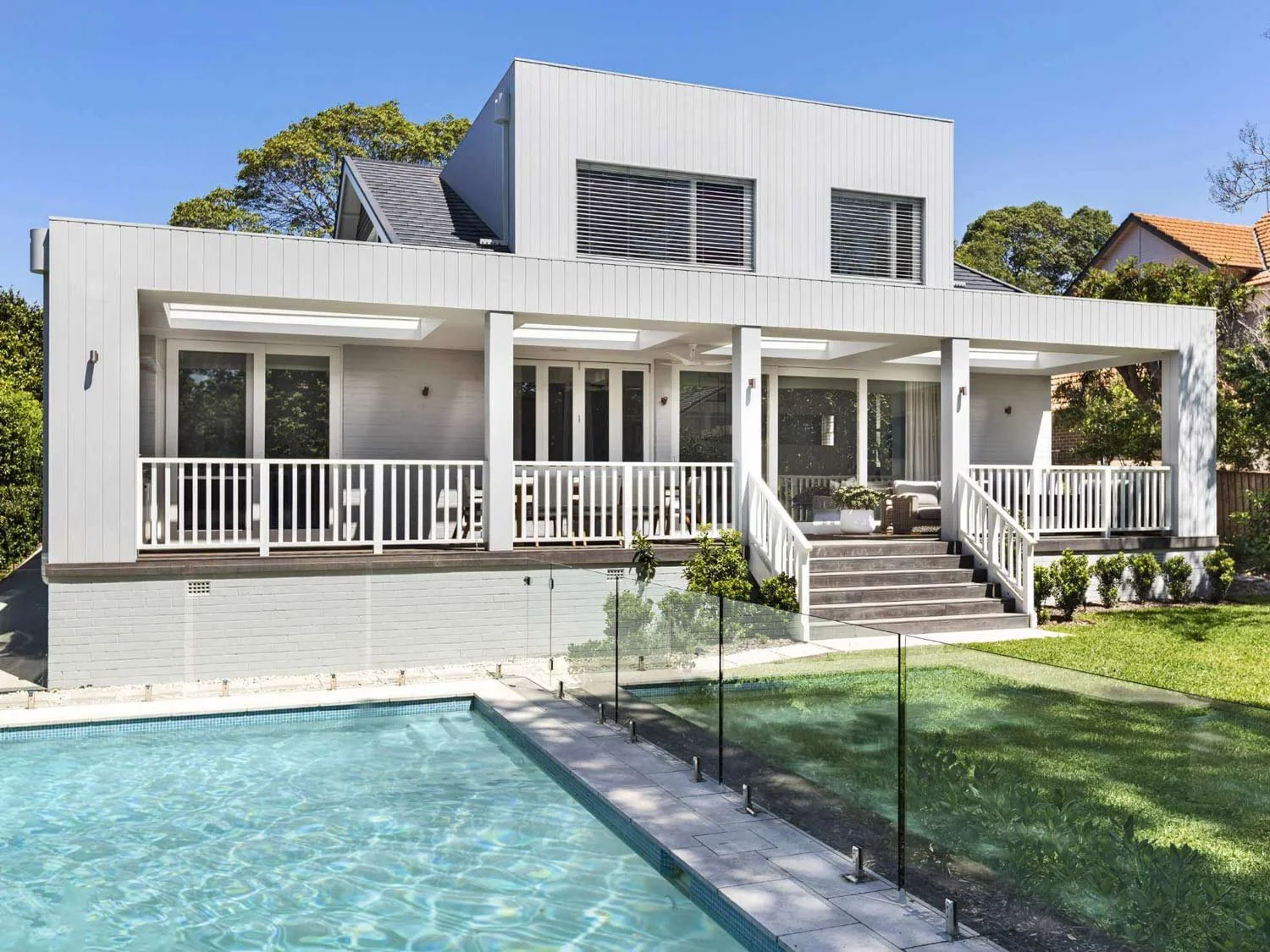
A builder’s website and social media often showcase their style of work, quality standards, sustainable features, and range of completed projects. Detailed portfolios help you assess if they have experience building homes similar to your vision or the type of home you intend to create.
2. Evaluate Their Track Record and Experience
Not all builders are equal. Look for depth of experience specifically in residential and luxury home building, not just general project homes. Financial stability within a potential builder is also an important factor.
Years in business matter
Experience shows a builder’s ability to anticipate challenges and deliver reliable outcomes.
Visit past projects and sites
Seeing finished homes and ongoing sites gives you real insight into quality, organisation and attention to detail. It also helps you determine whether their work aligns with your home design goals.
Reputation for quality workmanship
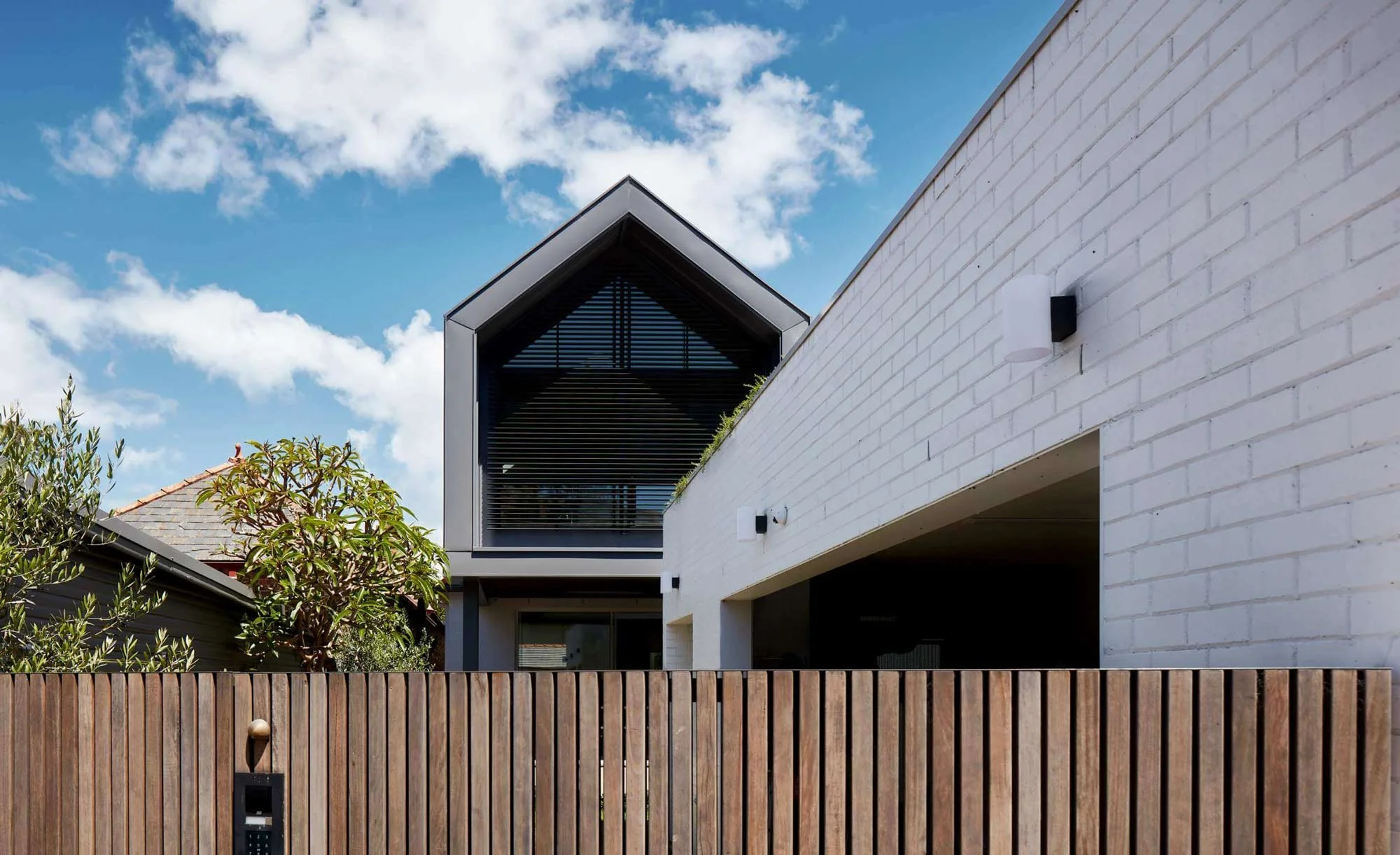
A builder known for excellent craftsmanship, precise finishing and durable construction is worth prioritising. Ask to see examples of their work up close or even speak directly with past clients for references.
3. Assess Suitability and Communication
Clear communication is essential for a successful building journey, whether you are selecting master builders or smaller operators.
Discuss your project early
The right builder will listen to your goals, ask thoughtful questions and explain their process clearly and professionally. This includes discussing whether you want eco friendly materials, sustainable features or custom designs.
Communication expectations
Ask how often you will receive updates, who your main contact will be and how site issues will be communicated. Reliable builders set clear expectations upfront.
Team and subcontractors
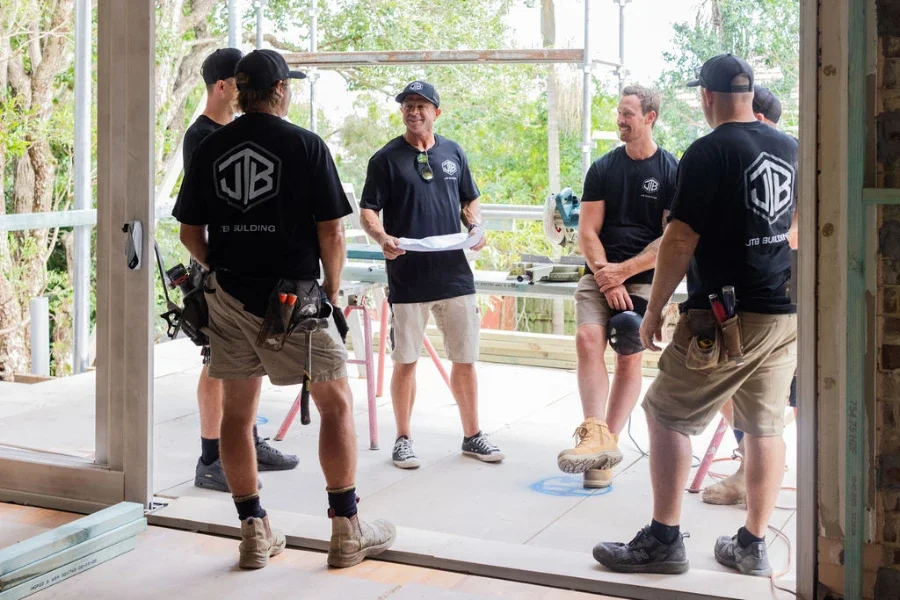
Inquire about the team who will actually build your home. Builders who work with trusted subcontractors and maintain long-term relationships typically deliver more consistently.
4. Get Multiple Detailed Quotes
Comparing quotes is more than looking at price and budget.
Ensure quotes are itemised
A detailed building quote should break down each part of the job so you can compare apples with apples between builders.
Avoid suspiciously low quotes
Very low or vague quotes can hide future costs through variations and omissions. Quality builders provide transparent pricing that aligns with realistic timelines, materials and the scope of your build or renovation.
Look for alignment with milestones
Payment schedules should link to clear project milestones rather than arbitrary dates.
5. Ask the Right Questions
Here are essential questions you should always ask potential builders:
How long have you been building homes?
Can I see references and speak to past clients?
What warranties and guarantees do you offer?
Who will supervise the build on site?
How do you manage design changes or unexpected site conditions?
These questions reveal a builder’s confidence, processes and openness to transparency.
6. Finalise the Contract Carefully
Never sign without reviewing contracts in detail.
Have an expert review it
A construction lawyer or building consultant can explain legal terms and ensure you understand inclusions, exclusions, timeframes and liabilities.
No pressure sales
Trustworthy builders give you time to consider contracts and answer your questions without pressuring you to sign immediately.
Scope, materials and inclusions
Everything from structural items to finishes, sustainable features and site clean-up should be clearly listed.
7. Focus on Quality Over Cheapest Price
It’s tempting to choose the lowest quote, but the cheapest option is rarely the best. A high-quality builder who understands your custom designs, type of home and expectations will always deliver better long-term value.
Your home is one of the biggest investments you will ever make. Choosing a builder with proven quality, excellent communication, solid references and a transparent process will pay dividends throughout your build and beyond.
Why Choosing the Right Builder Matters
Choosing a builder isn’t just about price. It’s about trust, craftsmanship and partnership. Builders with a strong track record deliver reliable timelines, fewer surprises and a home that truly reflects your vision. Whether you are planning a custom luxury home or a tailored renovation, finding the right builder ensures your journey is as rewarding as the final result.
If you are ready to start planning your project, JTB Building can guide you through the process with clarity, quality and care. Get in touch today.
FAQs
How do I know if a builder is licensed and insured in NSW?
You can verify a builder’s licence through official NSW government tools and should always request proof of insurance before signing a contract.
How many quotes should I get before choosing a builder?
It’s best to compare at least two to three detailed quotes so you can assess inclusions, timelines and overall value, not just price.
What should be included in a building quote?
A good quote should be itemised and clearly outline labour, materials, inclusions, exclusions, allowances and the payment schedule.
Why should I avoid choosing the cheapest builder?
Cheaper quotes can include missing items or unrealistic allowances, which may lead to unexpected variations, delays and lower-quality workmanship.
Can I visit a builder’s past projects before hiring them?
Yes, reputable builders are often happy to show previous work or provide references so you can assess quality and site management.
Who should supervise the build on site?
You should confirm who will manage the project day-to-day, how often they will be on site, and who your main point of contact will be throughout the build.