
Luxury Home Building & Architectural Design Trends for 2026: What’s Shaping the Homes of Tomorrow
As we move into 2026, home building and architectural design trends are shifting toward warmth, texture and a deeper connection to nature. Minimalism is evolving, sustainability is front and centre, and homeowners are embracing modern living that prioritises comfort, longevity and personalised detail. These trends align closely with what clients are seeking: beautifully crafted homes designed for real life.
Below, we explore the key home building design trends and architectural directions shaping 2026 and how they influence the way we are creating spaces across Sydney’s Northern Beaches.
1. Warm Minimalism and Modern Tuscan Aesthetics
Warm minimalism is replacing the cool, stark interiors that dominated the past decade. This trend blends clean architectural lines with earthy tones, textured materials and curated details to create living spaces that feel calm and inviting.
Clients are gravitating toward:
sandy and warm neutral palettes
sage, olive and muted terracotta tones
tactile materials like stone, limewash and textured plaster
walnut and other deep timber tones
Influenced by Modern Tuscan and Mediterranean design cues, this style embraces quality materials that last. It suits luxury home design trends that emphasise durability and craftsmanship.

2. Biophilic Architecture Evolving Beyond Décor
Biophilic design is now fundamental to modern architecture. Rather than simply adding indoor plants, new homes are being built to bring nature indoors in more meaningful ways.
This includes:
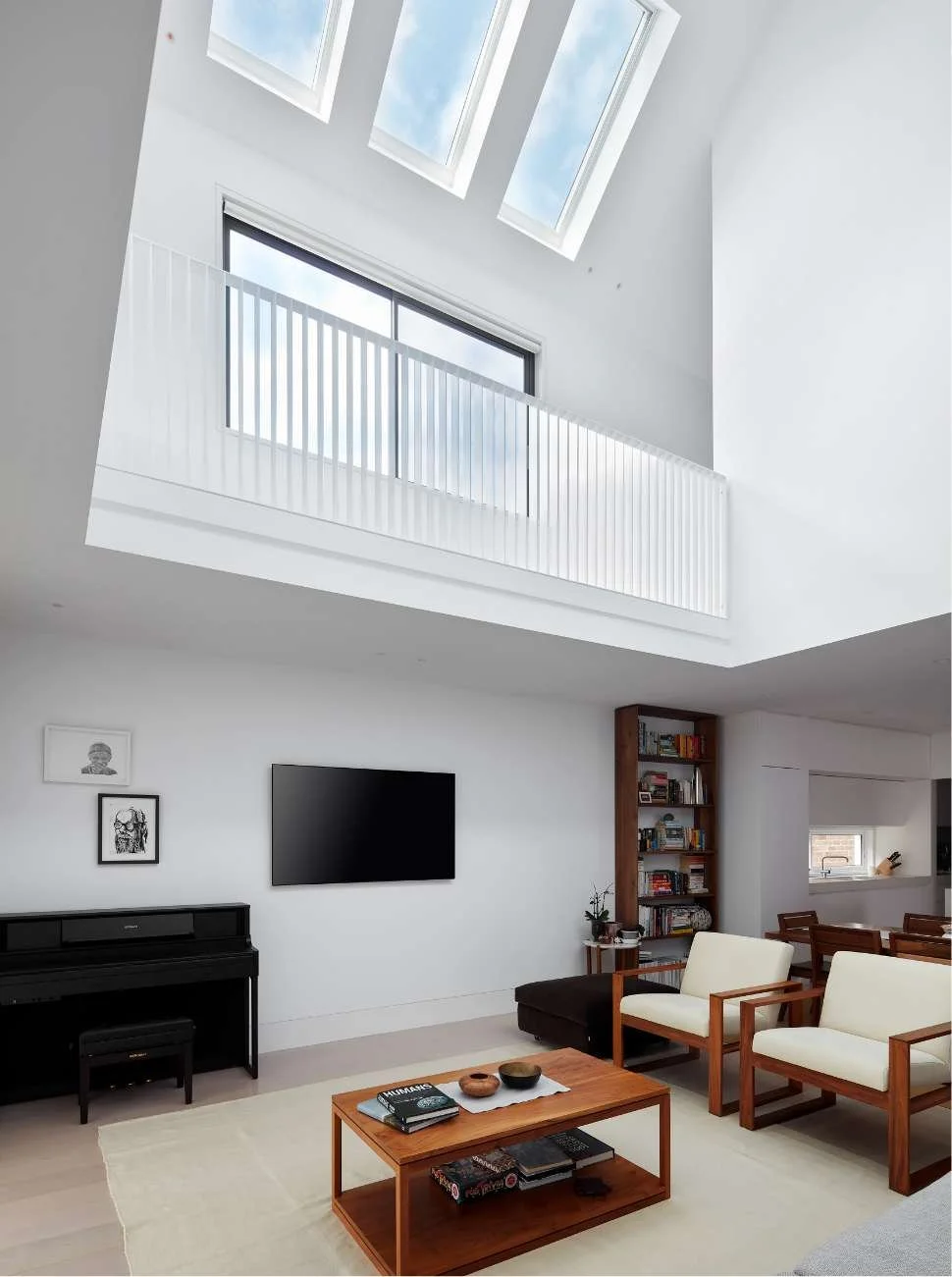
maximising natural light through expanded glazing
internal courtyards and garden rooms
organic curves, raw stone, timber cladding and fluted glass
green walls and planted voids
airflow driven layouts that reduce mechanical cooling
These choices elevate wellbeing and reflect a strong client desire to bring nature into the everyday home environment.
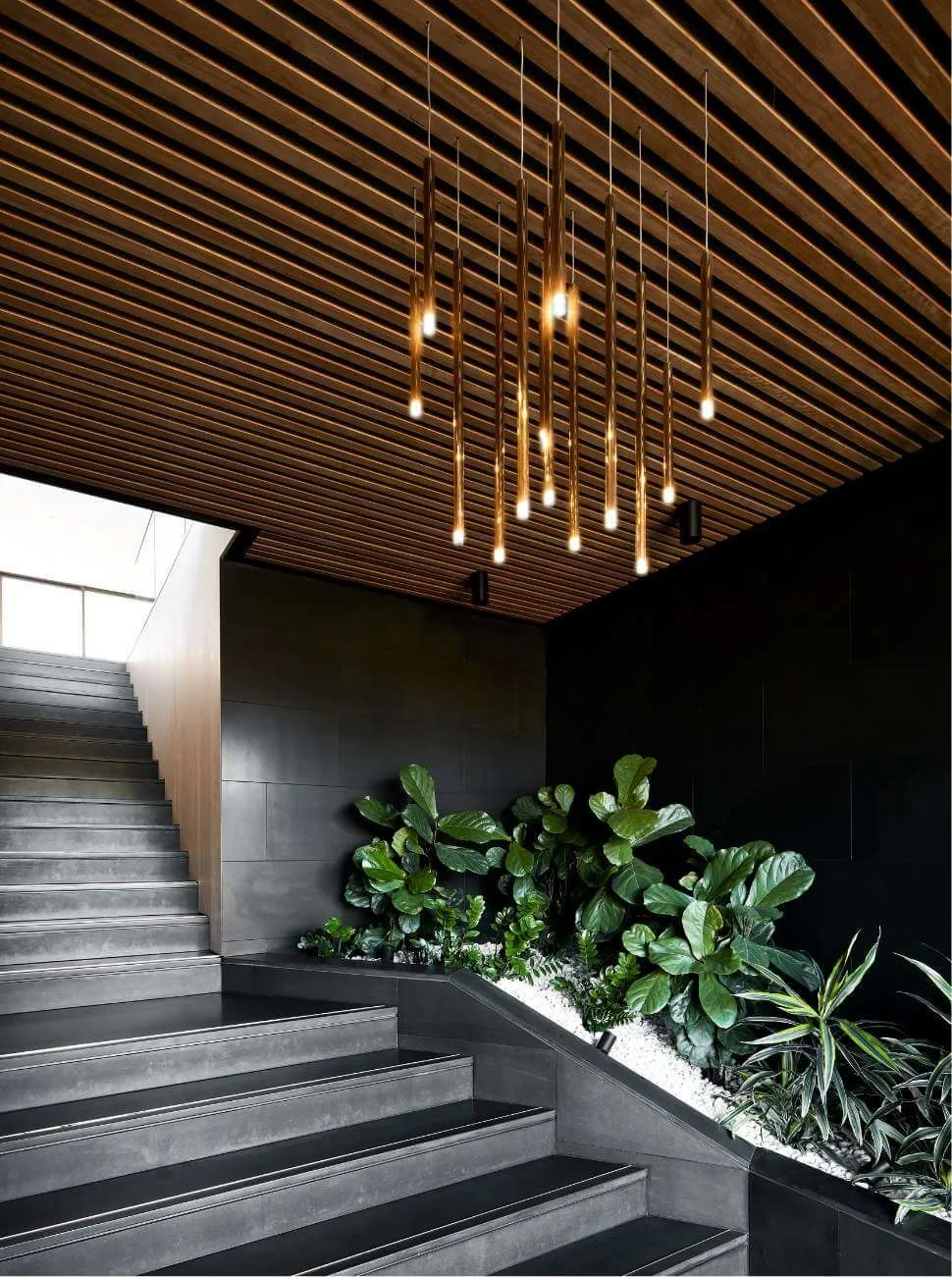
3. Earthy, Rich Interior Palettes Replacing Grey Tones
The shift toward warm, grounding colours continues into 2026. The new neutrals include:
deep green tones such as forest, olive and eucalyptus
rich walnut timbers
clay, ochre and soft terracotta
creamy beiges and warm camel
Paired with textured fabrics, brass accents and natural stone, these palettes create luxury interiors that feel timeless rather than trend driven.
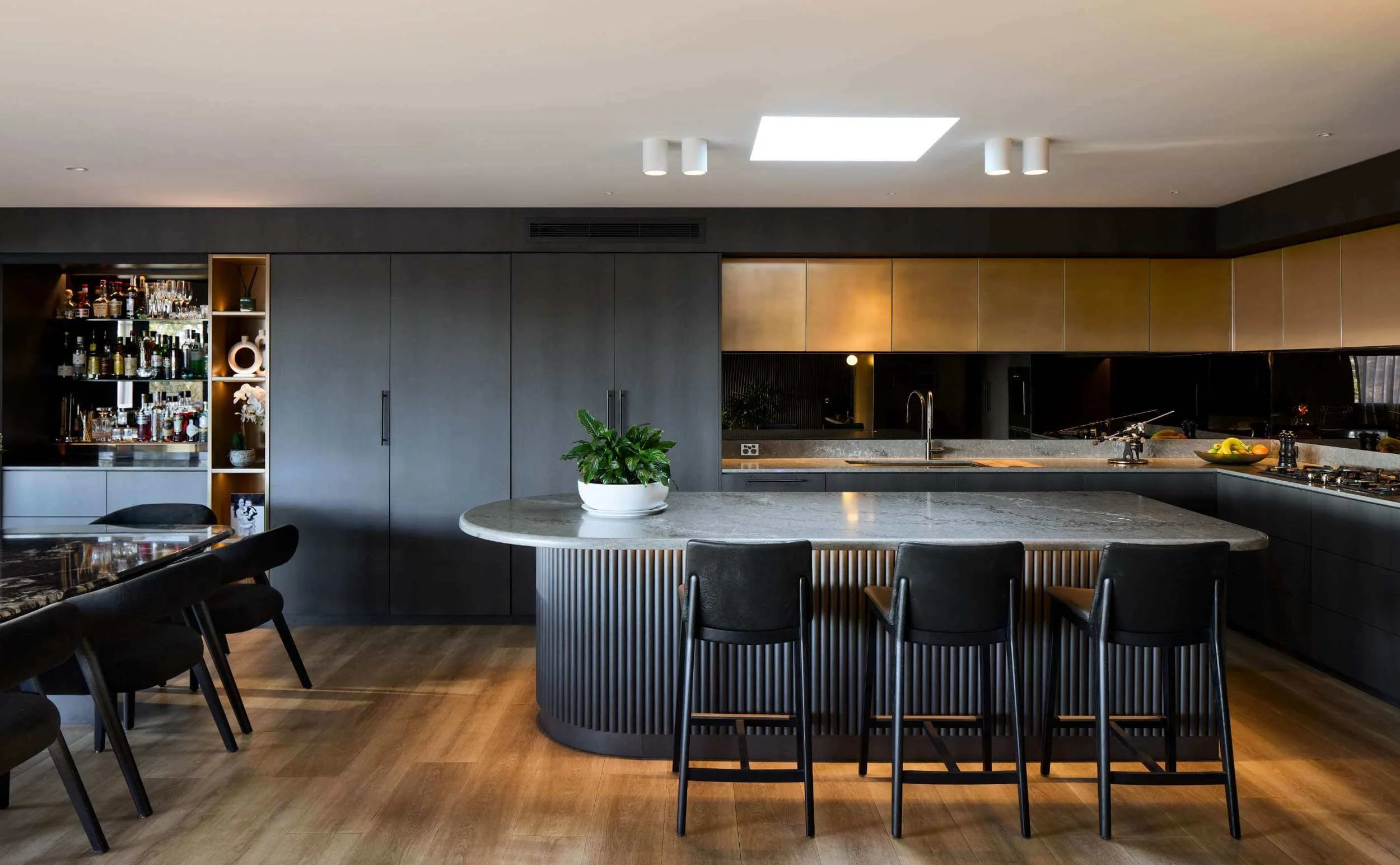
4. Textural, Handcrafted Materials Leading the Way
One of the strongest luxury home design trends is a renewed focus on tactile, hand finished materials that age beautifully. Homeowners want their spaces to feel layered, personal and designed with intention.
Popular choices include:
bouclé, linen and woven natural fibres
fluted timber or glass cabinetry
stone feature walls
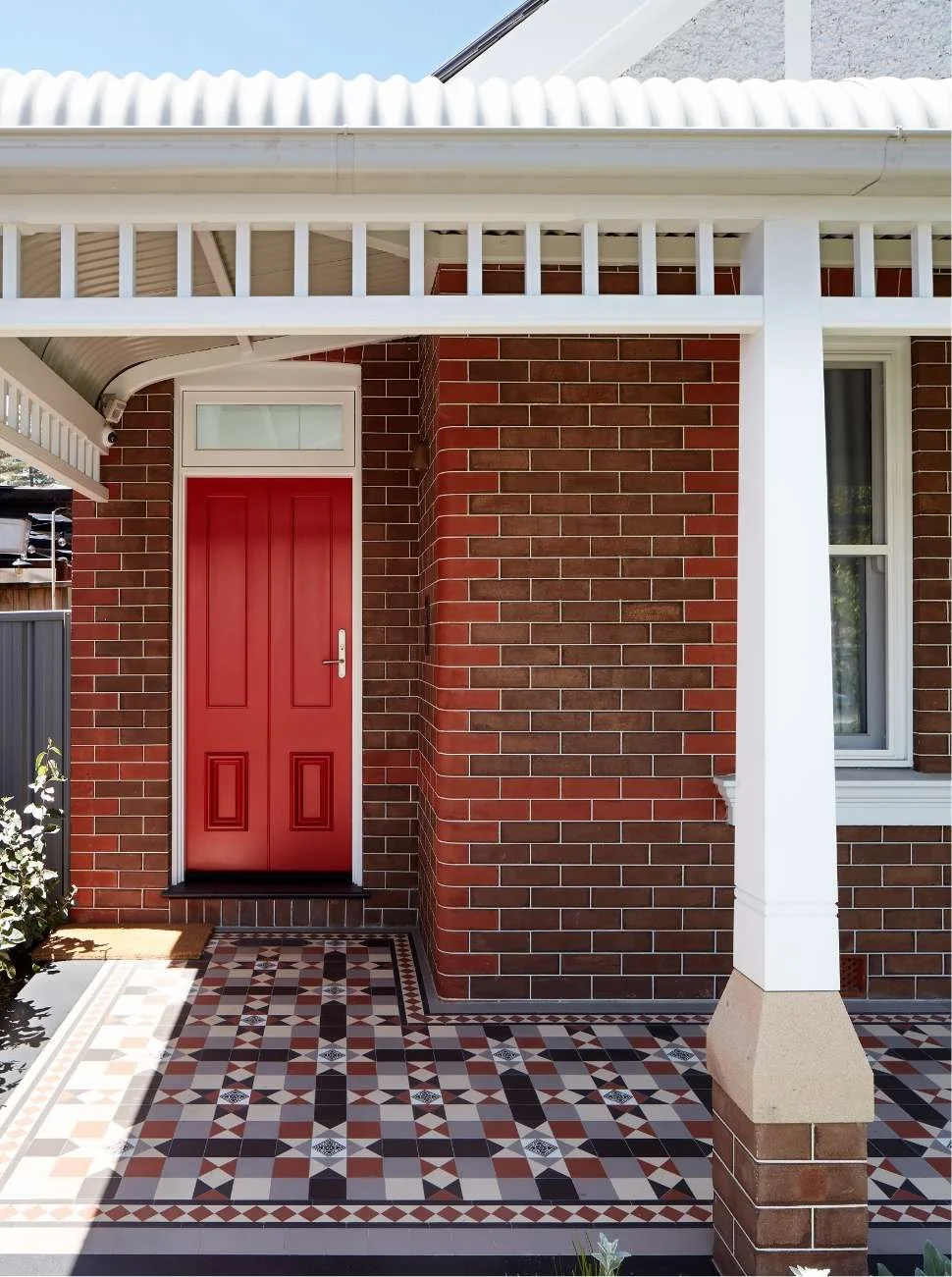
artisanal tilework
upcycled or antique pieces integrated into modern spaces
This movement toward craftsmanship reflects a growing preference for thoughtful materiality and finely executed architectural detail.
5. Smart Homes Technology and Energy Efficient Design Becoming Standard
Modern living increasingly means intelligent, future ready homes. Smart homes technology is no longer a luxury. It is expected. Homeowners are embracing:
integrated lighting and climate control
automated shading that optimises natural light
security and access systems
energy efficient appliances
home batteries and solar ready designs
Incorporating these systems early in the architectural design phase ensures both performance and seamless aesthetic integration.
6. Architectural Trends Focusing on Flexible and Wellness Driven Living Spaces
Architectural design trends for 2026 prioritise flexibility and wellbeing. With work and lifestyle patterns continuing to evolve, homeowners want living spaces that adapt to multiple purposes and enhance everyday comfort.
Key features include:
dual purpose rooms for work and relaxation
sunken lounges and conversation centred layouts
wellness zones featuring saunas, cold plunges or meditation areas
acoustic treatments for privacy
generous storage and mudroom integration
These additions create spaces that feel intentional, harmonious and tailored to modern life.
7. Indoor Outdoor Living and Garden Rooms Continuing to Grow
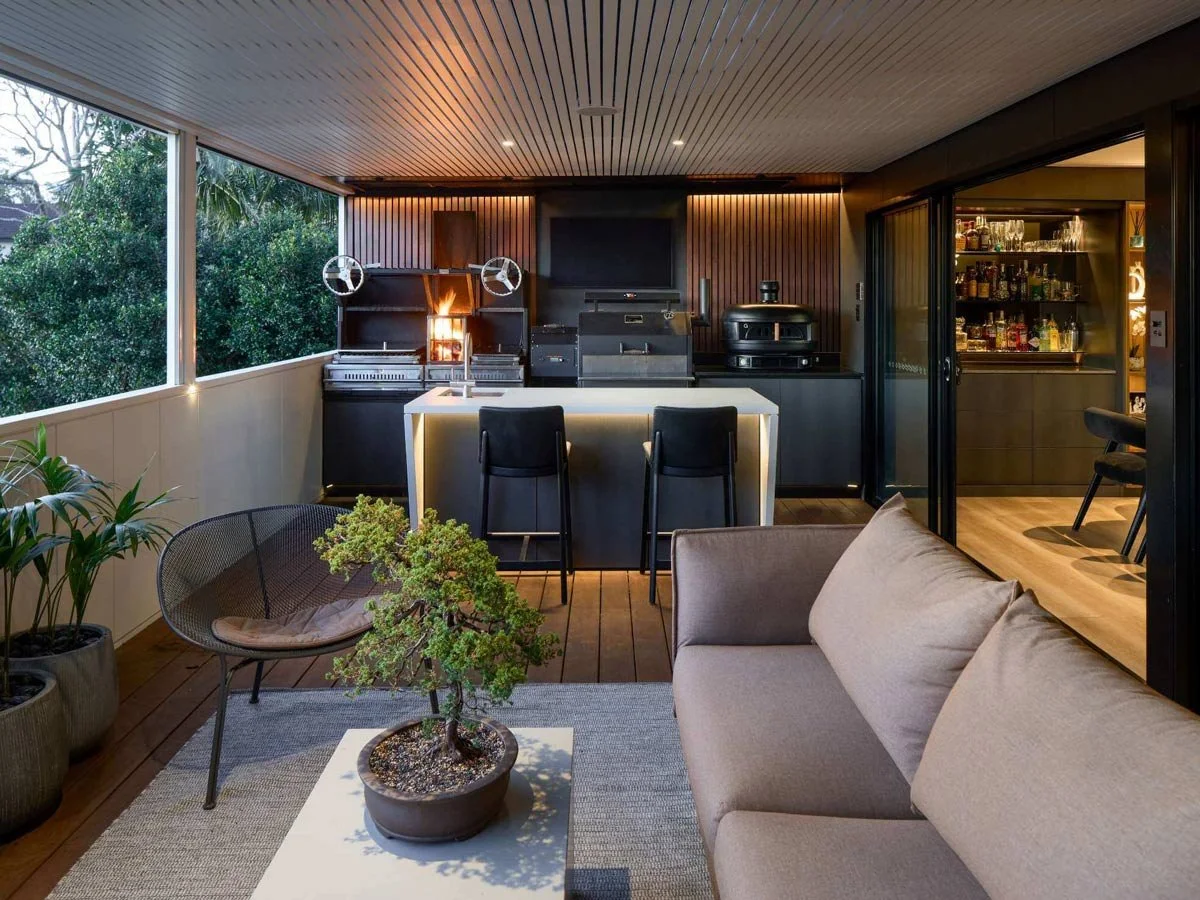
Indoor outdoor flow remains one of the most influential design trends in Australian homes. In 2026, this develops further into fully formed garden rooms, which are semi enclosed outdoor areas designed for relaxation and entertaining.
Architectural elements include:
outdoor kitchens
retractable glazing for weather adaptability
timber pergolas wrapped in greenery
landscaped zones that mirror interior styling
These features extend living spaces, improve natural ventilation and enhance home value, especially in coastal environments.
Looking Ahead
Home building design trends for 2026 reflect a desire for warmth, authenticity and connection to nature, to craft and to the way we live. For anyone planning a new build or luxury renovation, these trends offer a blueprint for stylish, enduring and energy efficient homes built for the future.
If you are ready to explore how these design directions can shape your next project, JTB Building can help bring your vision to life.