
Cost of Adding a Second Storey in Sydney (2026 Guide)
The cost of adding a second storey in Sydney can vary significantly depending on the size of your home, the structural requirements, the materials used, and the level of finish you choose. While it’s a major investment, many homeowners prioritise long-term quality, design integrity and craftsmanship over short-term cost savings. A well-planned second storey addition can dramatically increase your living space without sacrificing your backyard, while also enhancing how the home feels, functions and presents.
In this guide, we’ll break down what influences second storey extension costs, explain how they compare to ground floor extensions, and outline the key factors that affect the overall scope of work. You’ll also find practical budgeting advice and expert insights from JTB Building to help you plan your project with confidence before adding a second storey to your home.
How much does a second storey cost?
As a general guide, second storey additions in Sydney can range widely depending on the complexity of the build, structural upgrades required, access to the site, and the level of internal finishes. Smaller second storey additions may involve adding a few bedrooms or a single living area, while larger projects often include multiple bedrooms, bathrooms, staircases and upgraded services throughout the home.
These projects typically include design and approvals, structural works, framing and roofing, rough-in plumbing and electrical, insulation, plastering, and internal finishes. Additional costs may apply for items such as high-end architectural features, custom joinery, major landscaping, or significant changes to the existing ground floor layout.
For clients focused on a premium outcome, investment is often directed toward structural integrity, thoughtful design and high-quality finishes that elevate both the liveability and long-term value of the home.
Key factors that shape price
Structural capacity
Older cottages and bungalows may need strengthening to carry the new level. Steel beams, pier upgrades and tie-downs can materially affect cost.
Design complexity
Clean rooflines, aligned wet areas and standard window sizes are more economical, while more considered architectural forms, larger spans and custom glazing increase cost but can significantly elevate the overall design outcome.
Number of wet areas
Each bathroom or laundry adds waterproofing, plumbing and ventilation, lifting per-metre costs.
Access and site constraints
Tight streets, sloping blocks or limited crane access increase preliminaries and labour.
Finishes and services
Engineered flooring, custom joinery and premium glazing increase the build cost, but are often where quality is most visible and experienced day-to-day. Thoughtful planning ensures investment is directed toward elements that meaningfully enhance the home.
Second storey vs ground floor extensions
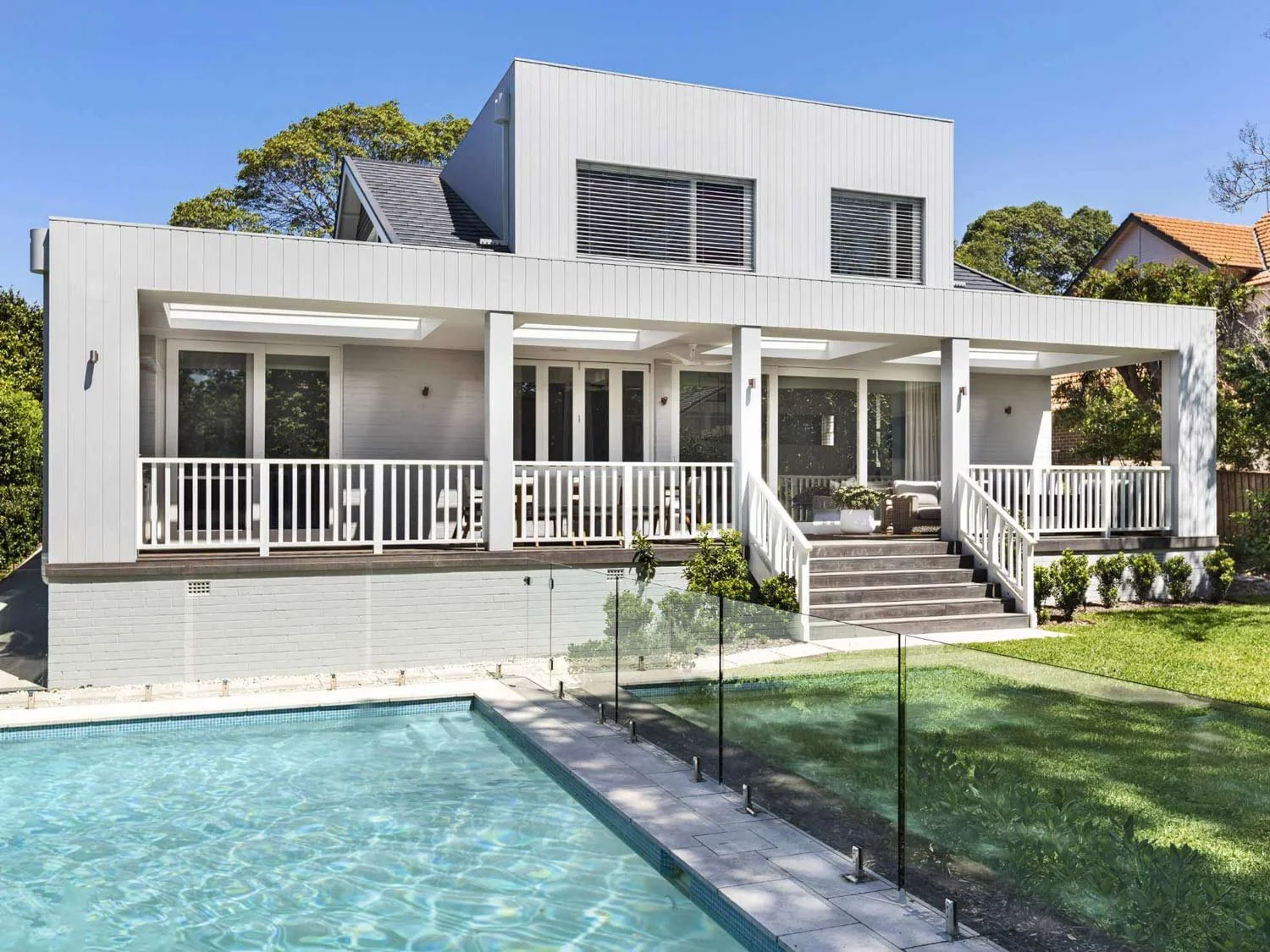
Going up avoids new foundations and preserves outdoor amenity. Ground floor extensions can be competitive on simpler sites, but once excavation, slab work and significant site cuts are involved, costs often meet, or exceed, an upper-level solution. A second storey can also improve privacy, capture breezes and unlock district views. For many homeowners, building up also presents an opportunity to reimagine the home with a more refined layout, improved natural light and a stronger architectural presence.
What typically sits in the budget
Design & approvals (DA or CDC): ~5–10%
Structural works (reinforcement, framing, roofing): ~35–45%
Services (electrical, plumbing, HVAC): ~10–15%
Internal finishes (plaster, flooring, stairs, tiling): ~25–30%
Contingency: 10–15% for discoveries or scope changes
Timeframes & living through the build
Expect 6-12 months on site after approvals, depending on scope and weather.
Practical ways to manage cost while maintaining quality
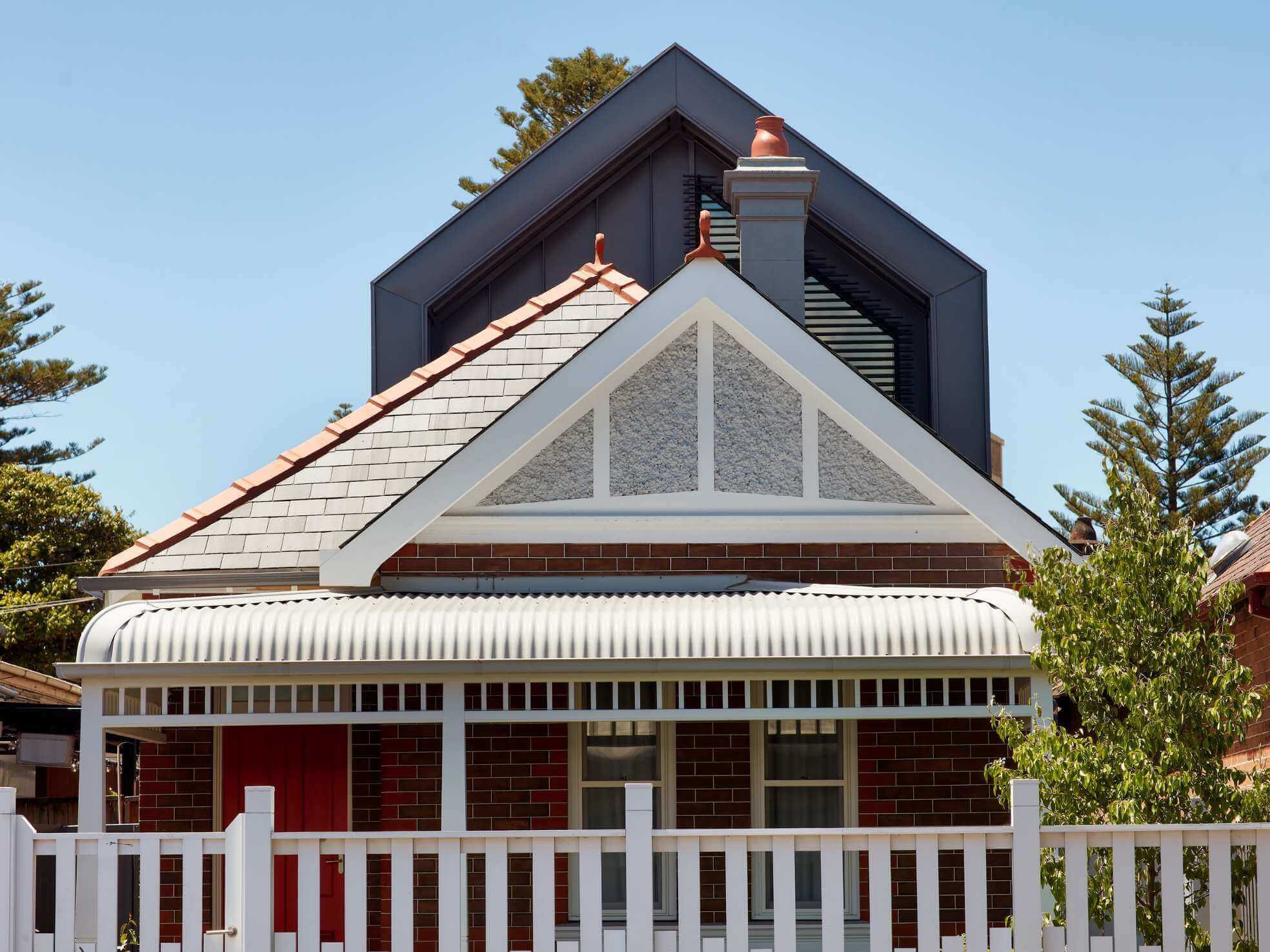
A well-executed project isn’t about cutting corners, it’s about making informed decisions so your budget supports the areas that matter most.
Align wet areas vertically to reuse stacks and minimise new runs.
Standardise window and door sizes where possible.
Simplify forms. Fewer roof intersections, smarter spans.
Prioritise performance (insulation, glazing, sealing) over decorative upgrades.
Decide early. Late variations are the fastest way to lift spend.
Keep a contingency of 10–15% to manage unknowns.
Approvals & compliance in Sydney
Depending on your site, you may proceed under a Complying Development Certificate (CDC) or require a DA with your local council. Height, setbacks, heritage overlays, bushfire (BAL) and stormwater controls can influence design and cost. An experienced builder/design team will map the most efficient pathway.
Why work with JTB Building
JTB Building delivers bespoke second storey additions across the Northern Beaches and North Shore, combining structural expertise with refined craftsmanship. We work with clients who value quality, thoughtful design and a well-executed build. Our Budgeting & Planning Service sets realistic allowances, sequences approvals, and pressure-tests risks up front, so you can move forward with clarity and confidence.
Considering adding a second storey to your home? Speak with JTB Building for a tailored feasibility and transparent cost plan.
FAQs
What’s the quickest way to estimate my cost?
Measure the proposed area and apply $4,000–$8,000 per m² as a starting range, then refine with a site inspection.
Is building up always cheaper than building out?
Not always. Simple ground floor extensions on flat sites can compete, but complex site works often make a second storey more efficient.
How long does approval take?
CDC pathways can be weeks; DA assessments may take 10–14 weeks depending on council, neighbour submissions and site specifics.
What adds the most cost upstairs?
Multiple bathrooms, complex roof geometry, custom glazing and major structural reinforcement.
How do I approach budgeting for a high-quality second storey addition?
Start with a clear brief and prioritise the elements that will have the greatest impact on how your home looks and feels, such as layout, natural light, materials and finishes. Work with an experienced builder early to establish realistic allowances, identify where investment adds the most value, and plan the project properly from the outset. This approach helps ensure your budget supports a well-executed, long-lasting result rather than short-term cost savings.
Disclaimer: The costs outlined in this guide are provided as general estimates only and are intended for informational purposes. Actual renovation costs can vary significantly depending on your home’s condition, site access, design requirements, materials, fixtures and the scope of work involved. The only way to obtain an accurate renovation cost is to engage a qualified builder to inspect your property and provide a tailored professional quote.